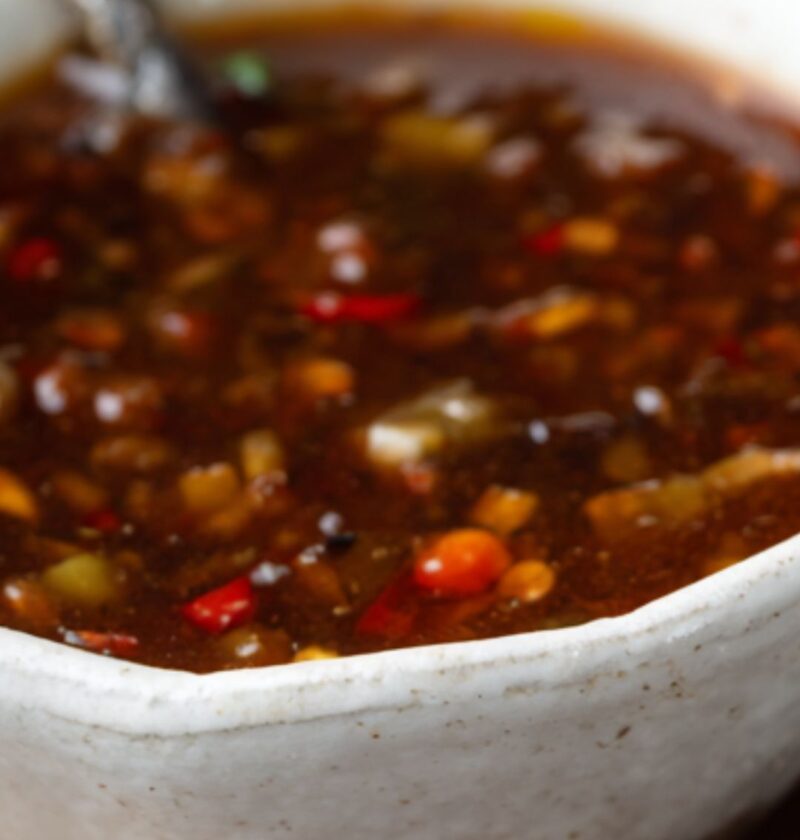
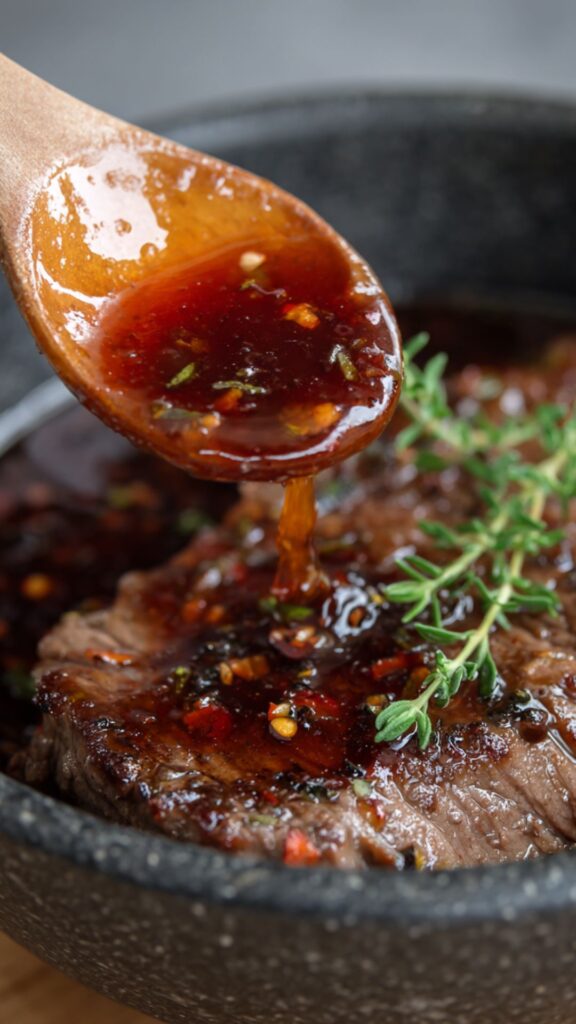
This bold, savory Low Sodium Steak Marinade Recipe is made with balsamic vinegar, fresh garlic, and olive oil, and ready in just 2 hours. The rich aroma of rosemary and garlic infuses deep into the meat before it even hits the hot grill. I rely on this quick mix whenever I need a flavorful dinner without the extra salt.
Try More Dinner Recipes:
Jump to RecipeWhy You Will Love This Low Sodium Steak Marinade Recipe:
- The “Umami” Punch: By swapping soy sauce for ingredients like balsamic vinegar, liquid smoke, or no-salt-added tomato paste, you get that deep, “meaty” flavor profile without the sodium bloat.
- Natural Tenderization: The acidic base (usually from citrus or vinegar) breaks down tough muscle fibers, turning even budget-friendly cuts like flank or skirt steak into buttery, tender bites.
- Aromatics over Additives: This recipe leans heavily on freshly smashed garlic, cracked black pepper, and dried herbs like rosemary or thyme, providing a fragrance that hits your palate before the first bite.
- Heart-Healthy & Guilt-Free: It’s a perfect solution for those managing blood pressure or kidney health who don’t want to sacrifice the “soul” of a good backyard barbecue.
- The Perfect Caramelization: The natural sugars in the balsamic or a touch of honey help create those beautiful, charred grill marks (the Maillard reaction) that give the steak its signature smoky finish.
- Total Ingredient Transparency: Unlike store-bought bottled marinades that are often hidden “sodium bombs” packed with preservatives, this DIY version gives you 100% control over what goes into your body.
- Pantry-Friendly Simplicity: Most of the ingredients are likely already in your kitchen. It takes less than five minutes to whisk together, making it a low-effort, high-reward kitchen hack.
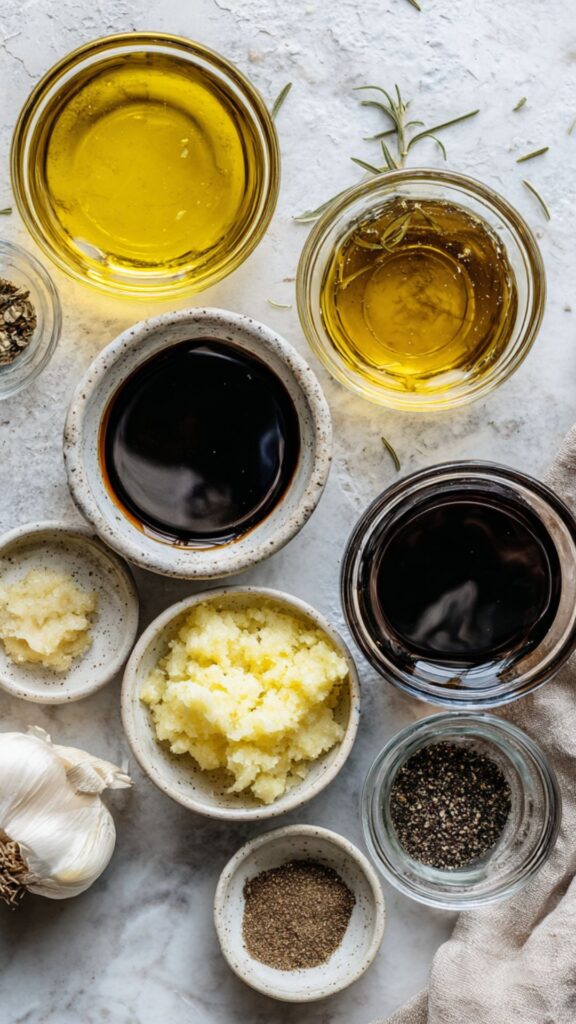
Low Sodium Steak Marinade Ingredients
- 1/4 cup olive oil
- 1/4 cup balsamic vinegar
- 1 tablespoon low sodium Dijon mustard
- 3 cloves garlic, minced
- 1 teaspoon onion powder
- 1 teaspoon dried rosemary, crushed
- 1/2 teaspoon coarse black pepper
How To Make Low Sodium Steak Marinade
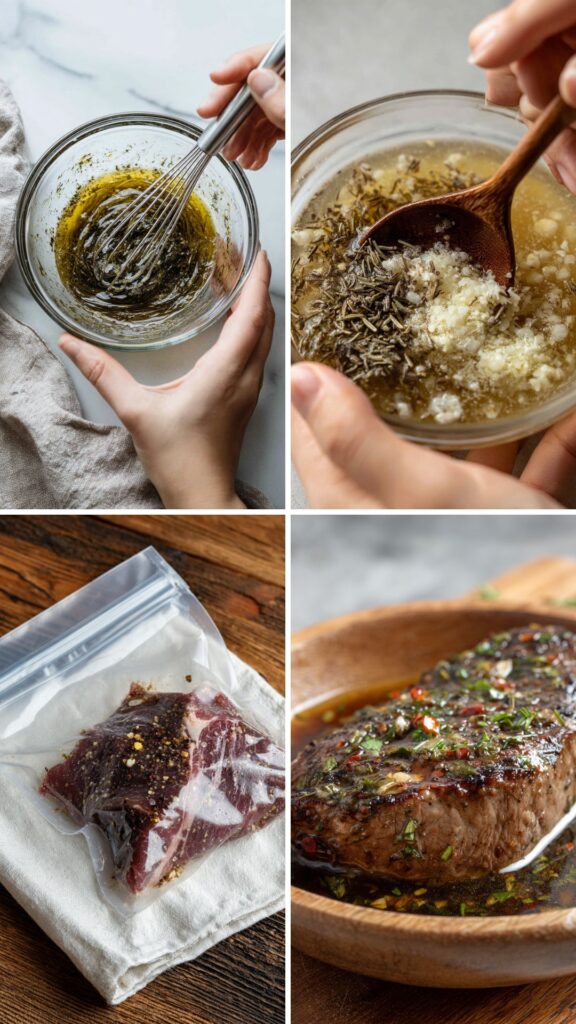
- Combine the liquids: Whisk the olive oil, balsamic vinegar, and low sodium Dijon mustard together in a medium glass bowl until smooth.
- Add the aromatics: Stir in the minced garlic, onion powder, crushed dried rosemary, and coarse black pepper.
- Marinate the beef: Place your steak in a large zip-top bag and pour the marinade over it. Squeeze out excess air, seal tightly, and chill in the fridge for at least 2 hours.
Recipe Tips
- Crush the dried herbs: Rubbing the dried rosemary between your fingers releases its natural oils and maximizes the flavor profile without adding sodium.
- Score tougher cuts: If you are using flank or skirt steak, make shallow cuts across the surface so the acidic marinade can penetrate deeper.
- Emulsify the base: Whisking the oil and vinegar with mustard prevents the liquids from separating, ensuring an even coating on the meat.
What To Serve With Low Sodium Steak?
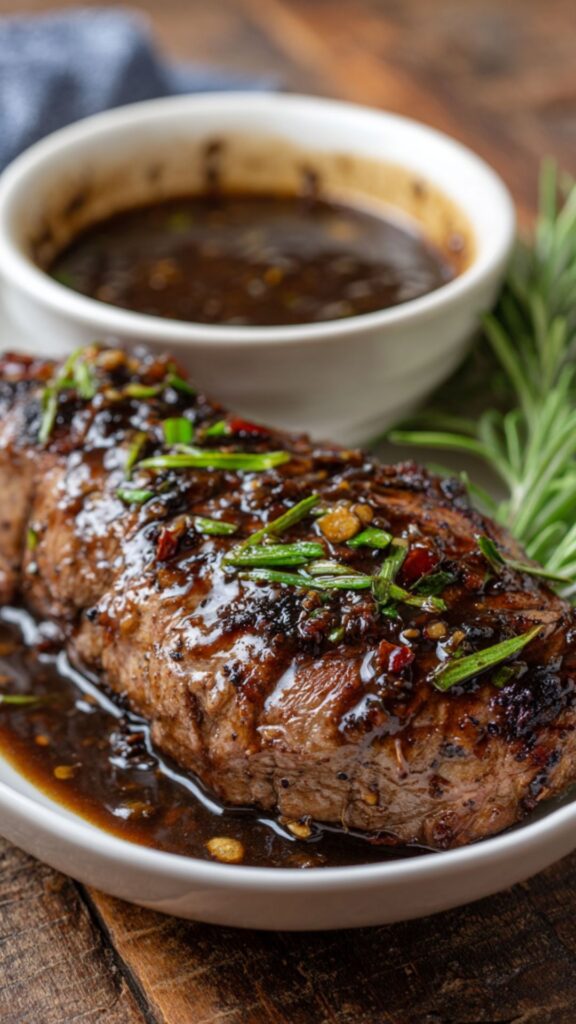
Pair this deeply flavored Low Sodium Steak with roasted green beans and plain baked potatoes. A crisp garden salad dressed with a simple lemon vinaigrette also cuts through the richness of the meat.
How To Store Leftovers Low Sodium Steak?
Store the prepared marinade in an airtight jar in the refrigerator for up to one week. You can also freeze the raw steak directly in the marinade for up to three months.
How To Reheat Leftovers Low Sodium Steak?
The Low-and-Slow Oven (Best for Quality): This is the gold standard for maintaining the steak’s integrity. Preheat your oven to 250°F (120°C). Place the steak on a wire rack set over a baking sheet (this allows air to circulate). Heat for about 20–30 minutes until the internal temperature reaches 110°F. For a final touch, give it a 30-second flash-sear in a hot pan with a little olive oil to crisp up the edges without overcooking the center.
The Skillet with Steam (Best for Moisture): If you’re short on time, use a skillet over medium-low heat. Add a tablespoon of water or low-sodium beef broth to the pan and place the steak inside. Cover with a tight-fitting lid. The liquid creates a “steam room” that gently hydrates the meat as it warms. Heat for about 2 minutes per side. This method is a lifesaver for ensuring the steak stays tender rather than becoming rubbery.
FAQs
Can I use a different type of vinegar?
Yes, apple cider vinegar or red wine vinegar work well as substitutes. They will slightly alter the flavor but still provide the necessary acid to tenderize the meat.
How long can I safely marinate the beef?
You can leave the steak in this mixture for up to 24 hours. Marinating longer than that can cause the meat fibers to become mushy due to the strong vinegar.
Does this recipe work for chicken or pork?
Absolutely. This blend pairs nicely with poultry and pork chops. Just reduce the marinating time to 4 hours maximum for chicken to prevent the texture from breaking down.
More Dinner Recipes:
Low Sodium Steak Marinade Recipe Nutrition Fact
- Calories: 110 kcal
- Total Fat: 11 g
- Saturated Fat: 2 g
- Cholesterol: 0 mg
- Sodium: 25 mg
- Total Carbohydrate: 3 g
- Protein: 0 g

Low Sodium Steak Marinade Recipe
Course: Dinner, Sides, Sauce, LunchCuisine: AmericanDifficulty: Easy4
servings5
minutes20
minutes110
kcal25
minutesBold, savory, and rich, the Low Sodium Steak Marinade Recipe uses balsamic vinegar, fresh minced garlic, and rosemary to tenderize beef perfectly. Ready in 2 hours and 5 minutes, it is an effortless way to prepare dinners for busy weeknights.
Ingredients
1/4 cup olive oil
1/4 cup balsamic vinegar
1 tablespoon low sodium Dijon mustard
3 cloves garlic, minced
1 teaspoon onion powder
1 teaspoon dried rosemary, crushed
1/2 teaspoon coarse black pepper
Directions
- Combine the liquids: Whisk the olive oil, balsamic vinegar, and low sodium Dijon mustard together in a medium glass bowl until smooth.
- Add the aromatics: Stir in the minced garlic, onion powder, crushed dried rosemary, and coarse black pepper.
- Marinate the beef: Place your steak in a large zip-top bag and pour the marinade over it. Squeeze out excess air, seal tightly, and chill in the fridge for at least 2 hours.